Note: These can also be used for character development.
Practice makes perfect! Or at least so we are told. For writers there is no such thing as ‘perfect’ and if there was it would just get boring. To us it’s ‘Practice makes better!’, and that is far more fun since our journey can go on for all of our lives.
To become a better writer you need to write every day, and read a lot. It seems even non- writers will tell you that. There’s also writing courses that you can take, and hopefully you find a good one.
For some of us writing courses is too expensive or time consuming. Most writers do have plenty of other responsibilities, and so we look for those things we can do within the amount of time and price range we have.
These simple exercises are some of those, and remember doing even a little each day will go a long way!
In the last post I said to save everything you write, and to write short stories. I’m now repeating that. There done.
Now about those short stories. You’ll need them for the exercises.
For the exercises to work even better you can, as I said in my last post try and find readers or other writers to give feedback. Making the same exercise at the same time with a friend and then sharing them gives you both some insight in how it can also be done. If you are making them on your own I recommend that you look them over again a few weeks later. This gives you some time to refresh your view on the story, and you can more clearly see what works, and what doesn’t.
These exercises are simple, and can be used no matter how long you have been writing. They are also perfect for beginners. I have seen some beginners throw themselves over a grand complex story only to drown within a few days. Get the little wins first 🙂
With some of the exercises I’m adding what I myself have used at some point or want to use, but you, of course, need to use whatever speaks to you.
Music speaks volumes.
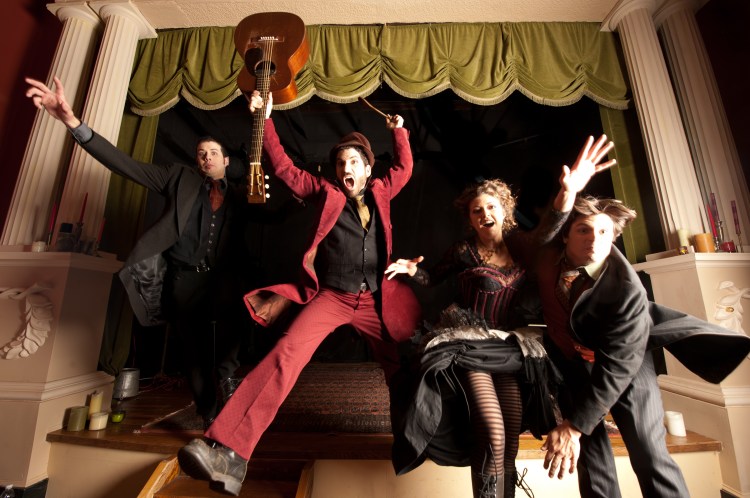
Music is great, and also an important tool for writers. Not only does it help to set the mood, but you can also use it to spark new ideas. Some songs come with lyrics you can play with, others have just the right beat to keep you going. Whatever part of a song that kickstart your creativity, use it. Pick a song and write a short story or part of a larger story that comes to mind while listening to the song. Sometimes trying music that’s not part of your usual collection can be very beneficial. Sometimes you might follow the song closely, sometimes you won’t. Both is fine.
I recently wrote a short story to the song Rattlesnake by Caravan of Thieves, and as I did I realized it fit perfectly on an episode that will happen in the DoE series later on. Clearly chancing the names of the characters, and saving it in my ‘DoE for later use’ folder was the only right thing to do. This happens as well.
A picture says more than a thousand words.
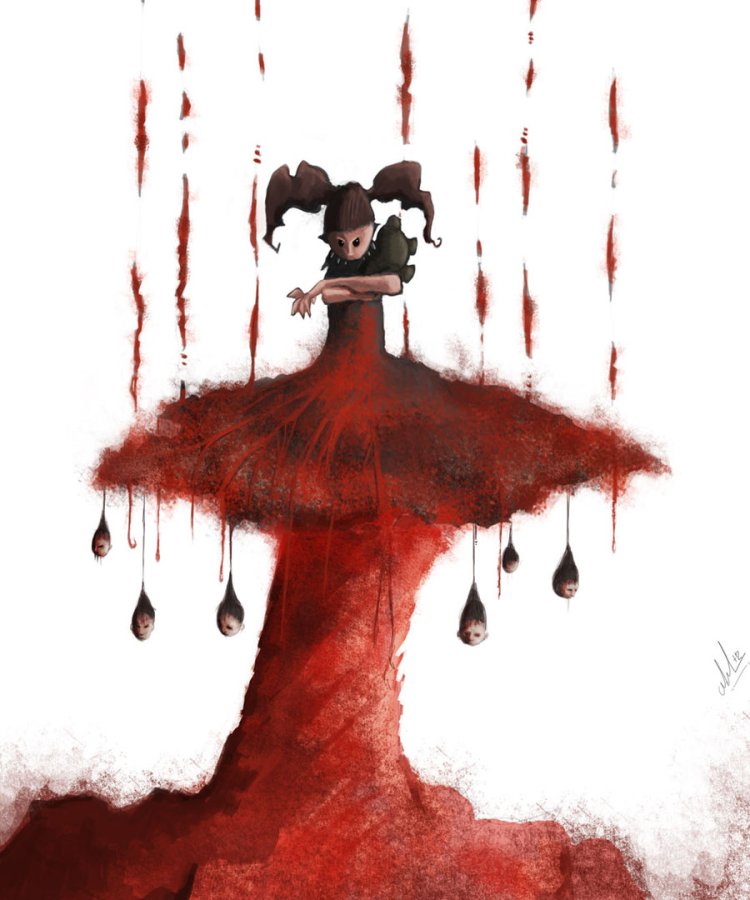
(Art by MMadsen on deviantart – https://mmadsen.deviantart.com/art/Don-t-ask-318083579)
Yes I’m sure you have guessed it already. We are going to write those thousand words! When I was very young we were sometimes allowed to choose our own assignment to write at home. We always got a list to choose from, and I would always go to the picture page. It had a random picture that I then should use in writing a story. One rule: The scene within the picture has to happen in the story.
I will recommend that you use different themes for this. for instance if you find a sci fi picture one week, then go for a steampunk the next.
Writing prompts here. Writing prompts there! Writing prompts everywhere!

Coming up with new plots all the time for these short stories I keep talking about might not always be easy, and sometimes we tend to work without the same genre. Not that we can’t do new things. No, it’s just easy to fall back on what we feel comfortable with. I for one feel comfortable when writing fantasy, but the brain needs to flex it’s creative muscles now and then if we want it to get in shape.
For this, writing prompts are amazing! If you haven’t seen any yet I gathered four random ones in the picture above. As you see they lead to different worlds and genres. Try not to spend too much time choosing one. Again, you might really just be looking for the easy one. Maybe just agree to use the first one to appear in your google search or use a dice to decide.
Some look easy, but are not. Others will seem impossible, yet it might be but a moment before you get the idea. That’s how it is. If you pick one that’s hard then don’t just give up. Use whatever time you decided before hand. Maybe you have an hour then that’s what you use. If you can’t come up with anything try doing housework while thinking. At least you get that done, and you won’t just sit still starring into the blank paper.
If the hour is up, and you have nothing then maybe try again within a few weeks. In the meantime find a new one. You will want to challenge yourself, but not burn yourself out coming up with nothing.
4) The one who must not be named!
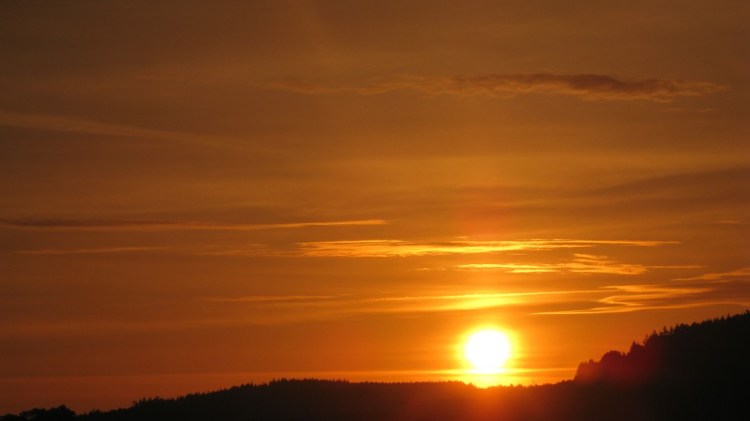
How even every day things are described can say a great deal about the world and the characters. Even within the same book. One man may look towards the sun and see a dying star, but his uncle looks up to see a ball of fire. Why is this?
A story taking place in a medieval world will generally describe certain things differently than one taking place in the future.
The same with two people. It can be a way to show how educated one person is compared to another, or their general mindset. Often it’s those two combined.
This exercise will improve your ability to show how your character view the world.
Take these everyday things and describe them without using their name. If it’s the sun, then ‘sun’ is not allowed. Try and see how many you can come up with.
If you do have characters that you need to work with then try and write down how they could describe it. If it’s the sun you won’t always need it. You possibly won’t need it just because you chance point of view from one character to the other, but when you do it’s nice to know. While working on your master piece, you might come up with a way fitting your character that you didn’t think of while doing this exercise, but having done this will help great deal in the future. If you are short on writing time this can also be something you do on a smaller scale during the day without actually writing it down.
5) A simple matter of point of view.
I believe that for characters to feel more real it’s important that you can change to their point of view, and then whatever things they do make sense. It is also a fun way for changing one of the short stories you have written by following all of the above. So, go back to a story you have already written, but this time tell the story from the point of view of someone else. If there’s a antagonist then write it from that persons point of view.
You can also try your luck with writing something from other peoples work. Like if you wrote parts of the Lord of the Ring, but this time from Sauron’s point of view. If you do like this way of doing it. Fanfiction can be a way to get your story read. http://archiveofourown.org is one place to start.
If you do write the story from the antagonist’s point of view remember they might not be all bad. They could very well be the hero of their own story. Maybe they believed their way would really save the world. If the antagonist was killed in your original story then repeat that, or this time look at what would have happened if the antagonist was the one left standing in the end. Just let the antagonist be who that person is. If it’s a man that just enjoy the suffering of others then by all means work with that.
As endings comes, endings goes.
So that was my tips on five free simple exercises everyone can both enjoy and learn from. Again, the more you try out different genres, narrator, scenarios and even your target age group, the better.
Enjoy!
 mathildenrybka.com
One thought on “Five exercises for improving your writing, and they are all for free!”